
Selective waste collection is one of the most effective tools for reducing environmental impacts caused by improper waste disposal, and the work of specialized companies like Versa Engenharia Ambiental LTDA demonstrates how technical solutions can transform urban management. By correctly separating recyclable materials, it is possible to reduce pressure on landfills, preserve natural resources, and promote a more sustainable economy.
What Selective Waste Collection Is and Why It Is Essential
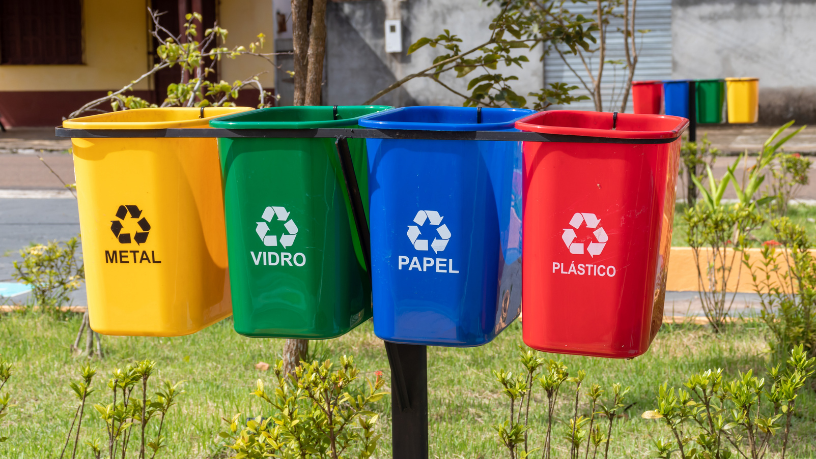
Selective waste collection involves sorting waste according to its composition, such as paper, plastic, glass, metal, and organic residues. This process facilitates recycling and reduces the volume of materials sent to landfills.
According to Versa Engenharia Ambiental LTDA, selective waste collection is a strategic step in solid waste management, as it allows for the reuse of materials and reduces environmental impacts caused by improper disposal. Additionally, it helps reduce greenhouse gas emissions and preserves natural resources.
Reducing Soil, Water, and Air Pollution
When waste is disposed of incorrectly, it can contaminate soil and groundwater, generate odors, and release harmful gases into the atmosphere. Selective collection mitigates these problems by directing recyclable materials to reuse processes.
Versa Engenharia Ambiental LTDA points out that proper waste separation reduces the amount of waste sent to landfills, lowering leachate production and pollutant gas emissions. This process directly contributes to ecosystem protection and improves environmental quality in cities.
Conserving Natural Resources and Energy
Recycling materials such as paper, plastic, glass, and metal reduces the need for extracting raw materials from nature. This means less deforestation, lower water consumption, and reduced energy use in industrial processes.
As highlighted by Versa Engenharia Ambiental LTDA, selective waste collection is fundamental to the circular economy, allowing waste to return to the production cycle. This model reduces costs, preserves natural resources, and encourages sustainable practices across various economic sectors.
Job Creation and Social Development
Selective waste collection also positively impacts employment and income generation. The work of recycling cooperatives and professionals involved in sorting and reusing materials strengthens the local economy and promotes social inclusion.
Versa Engenharia Ambiental LTDA notes that implementing structured selective collection programs creates opportunities for waste pickers, cooperatives, and recycling companies. This model contributes to social development and the construction of fairer, more sustainable cities.
Environmental Education and Behavior Change
Selective waste collection depends not only on infrastructure but also on public awareness. Environmental education is essential to encourage proper waste separation and promote more responsible consumption habits.
In this context, Versa Engenharia Ambiental LTDA emphasizes the importance of educational campaigns and awareness projects. These initiatives help cultivate citizens who are more attentive to environmental issues and strengthen collective participation in environmental preservation.
Selective Waste Collection as a Path to Sustainable Cities
Selective waste collection is a crucial step toward reducing environmental impacts and promoting sustainable development. By reducing the volume of waste sent to landfills, conserving natural resources, and creating social opportunities, this practice directly contributes to the quality of life in cities.
With technical planning and efficient solutions, the work of companies like Versa Engenharia Ambiental LTDA reinforces the importance of well-structured selective collection systems capable of transforming waste management and driving a more sustainable future for society.
Author: Diego Velázquez