

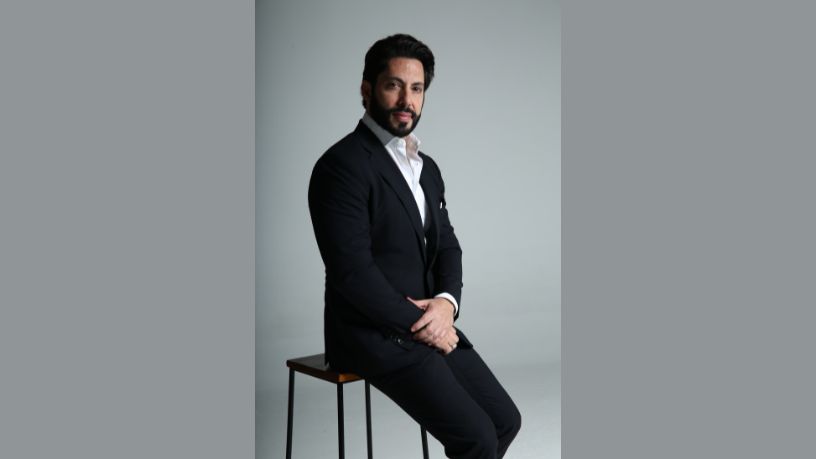
According to Gustavo Khattar de Godoy, a physician specialized in radiology and diagnostic imaging, Evidence-Based Medicine (EBM) guides clinical practice by bringing together up-to-date scientific knowledge, professional experience, and the individual needs of each person. This model helps transform technical information into more responsible, understandable, and coherent decisions within the reality of healthcare. With this in mind, below we will detail how EBM influences safer medical choices.
What is Evidence-Based Medicine?
EBM does not consist of applying scientific studies automatically or ignoring the particularities of patient care. In practice, it represents a structured way of evaluating available information, identifying the quality of the data, and considering whether a given approach makes sense for that patient, at that moment, and within their health conditions.
According to Gustavo Khattar de Godoy, Evidence-Based Medicine strengthens decision-making because it reduces choices based solely on old habits, isolated impressions, or unsupported professional preferences. This does not eliminate medical autonomy; on the contrary, it demands greater analytical capacity, since the physician must interpret results, recognize limitations, and adapt recommendations to the clinical context presented.
Furthermore, evidence-based practice depends on constant updating. New studies may confirm, adjust, or question approaches that once seemed well established. Therefore, following relevant changes does not mean chasing trends, but rather maintaining a critical stance toward the knowledge being produced and the needs that arise in everyday patient care.
How do scientific evidence and medical experience complement each other?
Scientific evidence provides an important basis for comparing treatments, exams, preventive strategies, and risks associated with different choices. According to Gustavo Khattar de Godoy, a physician with a master’s degree and PhD in Clinical Medicine from UNICAMP and a postdoctoral fellowship at Johns Hopkins Hospital, well-conducted studies help identify patterns, likely benefits, and possible adverse effects. However, research findings do not replace the careful assessment of symptoms, medical history, age, comorbidities, and the specific conditions of each patient.

Medical experience plays an important role precisely at this point, as it allows the physician to recognize particularities that are not always deeply addressed in protocols or scientific articles. In this way, an experienced professional can assess clinical signs, notice subtle changes in a patient’s condition, and understand when a general recommendation needs to be adjusted in order to provide more appropriate care.
What elements guide an evidence-based clinical decision?
In short, decision-making must bring together complementary information, as emphasized by Gustavo Khattar de Godoy, a physician specialized in radiology and diagnostic imaging. Each element contributes to making the recommendation safer, more transparent, and compatible with the goal of treatment. When one of these factors is ignored, the approach may become overly standardized, impractical, or distant from the expectations of the person receiving care. That said, the main components of Evidence-Based Medicine include:
Up-to-date scientific evidence: studies, guidelines, and critical analyses that help estimate the benefits, risks, and limitations of an intervention.
The physician’s clinical experience: the ability to interpret data, recognize the particularities of the case, and adjust the approach according to the patient’s progress.
The patient’s values and preferences: priorities, concerns, routine, beliefs, and practical conditions that influence adherence to care.
The available healthcare context: access to exams, treatments, follow-up, and the necessary resources to ensure that the recommendation can actually be carried out.
Considering these points does not make the consultation unnecessarily complex. On the contrary, they organize the conversation and reduce misunderstandings. As a result, the patient better understands why a particular approach was recommended, while the professional is able to support their recommendation with greater clarity and responsibility.
How can EBM be applied without making care impersonal?
Applying EBM requires organization, but it does not need to turn the consultation into a cold sequence of protocols. The central point is to use science as support to improve the dialogue, not as a barrier between doctor and patient. In other words, technical analysis should serve to increase the safety of the decision while maintaining individualized care.
In practice, this involves formulating relevant clinical questions, seeking reliable information, evaluating the quality of the data, and discussing real treatment possibilities. It also requires recognizing uncertainties, as Gustavo Khattar de Godoy emphasizes, since not every situation will have a definitive answer, and admitting limitations may be more responsible than presenting a recommendation as if it were absolute.
Therefore, when used with balance, Evidence-Based Medicine contributes to a more mature relationship between professional and patient. Care no longer depends only on authority or improvisation and instead becomes supported by clear criteria. Thus, clinical decisions become more transparent, participatory, and aligned with the needs of the person receiving care.
A path toward more conscious decisions
Ultimately, Evidence-Based Medicine represents a clinical practice that combines science, medical experience, and patient values to guide more qualified choices. Its goal is not to standardize people, but to reduce uncertainties and make each approach more compatible with reliable data and individual circumstances. Therefore, more than simply following protocols, it is about building consistent, humanized care that is adjusted to the reality of each case.
Author: Diego Rodríguez Velázquez