
The Sindnapi – National Union of Retirees, Pensioners and the Elderly has been encouraging reflections on habits that strengthen well-being and contribute to a more balanced routine after retirement. This article analyzes how nutrition, movement and social interaction form an essential tripod for quality of life, promoting autonomy, emotional health and physical stability. The proposal is to present a practical and analytical approach to daily choices that make a difference in active aging.
Why does balanced nutrition directly influence quality of life?
Nutrition is one of the most important foundations of well-being over the years. A balanced eating routine helps maintain adequate energy levels, strengthen the immune system and reduce risks associated with aging. More than following strict rules, developing conscious habits allows older adults to understand the impact of their daily choices on their own health.
In addition, eating also has a social and emotional dimension. Shared meals encourage interaction and help create bonds that go beyond the nutritional aspect. When food is treated as a moment of care and connection, the aging process gains new possibilities for balance and enjoyment.
The Sindnapi – National Union of Retirees, Pensioners and the Elderly reinforces the importance of educational initiatives that encourage responsible and accessible eating practices. Clear information about healthy habits helps retirees and pensioners make choices that are more aligned with their real needs.
How does regular movement strengthen autonomy in older age?
Movement is another fundamental pillar for maintaining quality of life. Light physical activities, performed consistently, help preserve mobility, balance and muscle strength. Walking, stretching and adapted exercises stimulate independence and reduce the impact of a sedentary lifestyle, which can compromise daily routines. When gradually incorporated into everyday life, movement contributes to greater energy and makes daily activities safer and easier to perform.
Beyond physical benefits, movement positively influences mental health. Regular physical activity contributes to a sense of well-being and helps reduce stress and anxiety. This set of factors fosters a more positive perception of aging, encouraging the continuity of healthy habits. Contact with outdoor environments and participation in group activities also strengthen social bonds and increase motivation to maintain an active routine.
The Sindnapi – National Union of Retirees, Pensioners and the Elderly has promoted initiatives that encourage movement as a natural part of daily life, showing that caring for the body does not need to be complex to generate meaningful results. Small actions, when carried out consistently, can transform the retirement experience. This encouragement helps retirees and pensioners see movement not as an obligation, but as an opportunity for continuous well-being and appreciation of their own autonomy.
What is the role of social interaction in building a more balanced life?
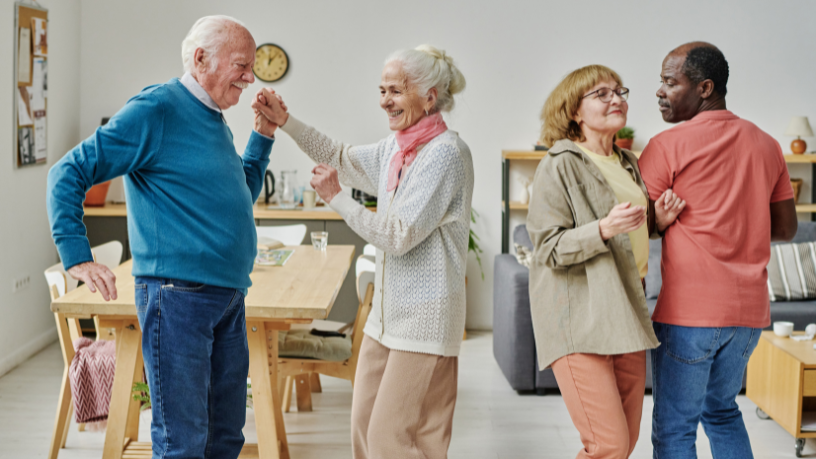
Social interaction plays a decisive role in emotional health and the sense of belonging. Contact with other people stimulates the exchange of experiences, strengthens emotional bonds and helps prevent isolation, which can negatively impact quality of life. Participating in collective activities broadens horizons and creates opportunities for continuous learning.
In this context, the Sindnapi – National Union of Retirees, Pensioners and the Elderly acts as a facilitator of initiatives that value connections among people with similar life paths. Creating spaces for interaction strengthens support networks and contributes to a fuller experience of older age.
Author: Diego Rodríguez Velázquez