

America now daily
  • Home
  • Business
    BusinessShow More
    Indigenous Crafts and Creative Business: how Native-led showcases strengthen culture and economy

    Indigenous crafts and the growing presence of Native-led businesses are gaining increasing…

    5 Min Read
    Hermes Expo 2026: Three Decades of Connection and Innovation in Greco-American Entrepreneurship

    The Greco-American business landscape reaches a significant milestone in 2026 with the…

    5 Min Read
    American Express and Graphite: Corporate Strategy Targets the Future of the Battery Economy

    American Express’s move into the graphite sector signals a meaningful strategic shift…

    6 Min Read
    From Founding Fathers to Modern Entrepreneurs: Timeless Lessons for American Business

    The principles that guided the Founding Fathers of the United States remain…

    5 Min Read
    Clean Energy and Low Taxes Drive South American Nation to Lead in Electric Cars Per Capita

    The combination of clean energy and low taxes has turned a small…

    6 Min Read
  • Technology
    TechnologyShow More
    Digital Sovereignty in Europe: Why the Continent Is Reducing Dependence on U.S. Software and Investing in Sovereign Technology

    Europe’s push for digital sovereignty is reshaping how governments and businesses approach…

    5 Min Read
    AI Rivalry: How China and the US Are Competing for Global Supremacy in Artificial Intelligence

    The global race for artificial intelligence is no longer a distant projection—it…

    5 Min Read
    US-Ukraine Minerals Fund Boosts Defense Technology and Reshapes Industrial Strategy

    The advancement of an agreement involving a Ukrainian defense technology company and…

    5 Min Read
    Bank of America Expands Tech Deal-Making Power by Recruiting Top Bankers

    Bank of America’s recent move to hire four senior technology bankers highlights…

    5 Min Read
    U.S. Stock Markets Close Higher Driven by AMD and the Technology Sector

    U.S. stock markets closed higher, largely driven by the strong performance of…

    6 Min Read
  • News
    NewsShow More
    Employment Fair at the International African American Museum: Opportunities, Inclusion, and Its Impact on Charleston’s Cultural Job Market

    The hosting of a job fair at the International African American Museum…

    5 Min Read
    Felipe Rassi
    Felipe Rassi analyzes the consolidation of distressed assets as a strategic asset class

    Felipe Rassi, a financial market specialist, points out that distressed assets are…

    4 Min Read
    Vitor Barreto Moreira
    Innovation Zone: How to Move Beyond Excessive Control and Transform the Way You Grow

    The innovation zone is not just a modern concept, but a necessity…

    4 Min Read
    Travel Trends in 2026: Authentic Experiences and Milestones Shape Global Tourism

    The travel landscape in 2026 is being defined by a growing demand…

    4 Min Read
    Sindnapi - Sindicato Nacional dos Aposentados, Pensionistas e Idosos
    Retirement with Better Quality Starts Here: What Do You Need to Change Today? Learn More with Sindnapi – National Union of Retirees, Pensioners and the Elderly

    As highlighted by Sindnapi - National Union of Retirees, Pensioners and the…

    6 Min Read
  • About Us
Reading: Digital Sovereignty in Europe: Why the Continent Is Reducing Dependence on U.S. Software and Investing in Sovereign Technology
Share
America now dailyAmerica now daily
Font ResizerAa
  • Technology
Search
  • Home
  • Business
  • Technology
  • News
Follow US

Home » Digital Sovereignty in Europe: Why the Continent Is Reducing Dependence on U.S. Software and Investing in Sovereign Technology

Technology

Digital Sovereignty in Europe: Why the Continent Is Reducing Dependence on U.S. Software and Investing in Sovereign Technology

Diego Velázquez
Diego Velázquez
April 27, 2026
Share
SHARE

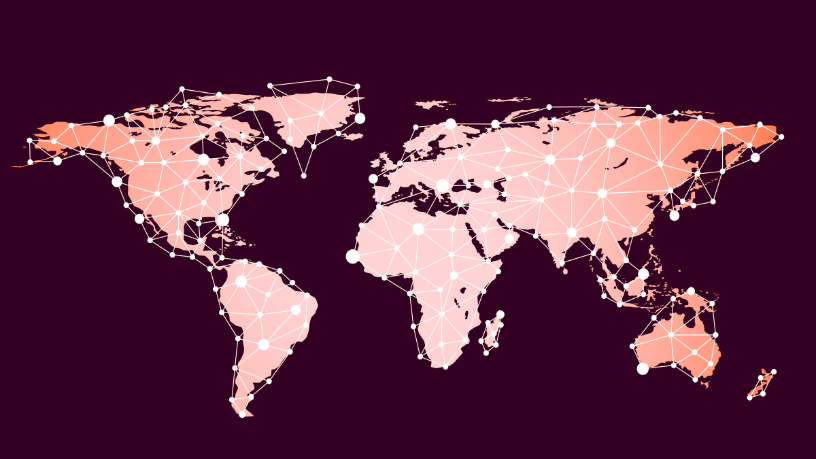
Europe’s push for digital sovereignty is reshaping how governments and businesses approach technology, data, and critical infrastructure. Amid growing concerns over reliance on major U.S.-based providers, there is an increasing movement toward local alternatives and what is often described as sovereign technology. This article examines the motivations behind this shift, its economic and strategic implications, and how it could transform the global balance of power in the software industry.

The debate around digital sovereignty has gained momentum as Europe begins to view its dependence on foreign technology platforms as a strategic vulnerability. Operating systems, cloud services, productivity tools, and even artificial intelligence infrastructure are largely controlled by American companies. This creates an imbalance that extends beyond market dynamics, affecting data security, regulatory control, and institutional autonomy.

The central concern is not simply the use of foreign technology, but the concentration of critical infrastructure in the hands of a few global corporations. When governments, banks, and public services rely heavily on a limited number of providers, any shift in commercial policy, international sanctions, or contractual changes can directly disrupt essential services. In this context, sovereign technology emerges as a strategic response to reduce exposure to external risks.

Another important driver is the expansion of European data protection regulations, which reinforce the need for local control over sensitive information. Strict privacy frameworks require institutions to rethink where and how their data is stored and processed. Keeping strategic information under European jurisdiction is therefore not only a technical decision but also a legal and political one.

The movement toward sovereign technology also reflects an effort to strengthen Europe’s own tech industry. By encouraging the development of local software, regional cloud services, and open source solutions, European countries aim to reduce external dependency while fostering internal innovation. This creates opportunities for local startups and strengthens the continent’s competitiveness in the global technology landscape.

In practice, however, this transition is far from simple. Replacing widely used systems with regional alternatives requires time, investment, and structural adaptation. Many organizations are deeply embedded in established ecosystems, making migration complex and often costly. Even so, the discussion is already influencing long term strategic decisions, particularly in the public sector.

From an economic perspective, digital sovereignty could unlock a new wave of investment in European technology infrastructure. Regional cloud providers, cybersecurity systems, and collaboration platforms are receiving increasing attention. This shift also encourages more open and interoperable standards, reducing the technological lock in that often characterizes markets dominated by a few large vendors.

There is also a significant geopolitical dimension to this movement. Technology has evolved from being a tool of efficiency into a core element of global power. Countries that control digital infrastructure hold greater influence over information flows, innovation, and security. Against this backdrop, Europe is attempting to reposition itself as a more independent actor capable of making technological decisions without external pressure.

Despite these ambitions, competitiveness remains a major challenge. U.S. companies have dominated the sector for decades through massive investment, global scale, and deeply integrated ecosystems. For Europe, competing at this level requires not only funding but also coordinated policy across nations and a consistent long term strategy.

Still, the rise of digital sovereignty signals a structural shift in European technological thinking. Instead of merely consuming external solutions, the continent is prioritizing control, autonomy, and resilience. This does not imply a complete break from foreign providers, but rather a more balanced distribution of technological dependencies.

The future of this movement will depend on Europe’s ability to translate strategy into execution. If successful, it could redefine the global technology landscape, creating a more multipolar and less concentrated ecosystem. In this sense, digital sovereignty is no longer just a political concept but an emerging model of technological development rooted in independence and strategic control.


Autor: Diego Velázquez
Share This Article
Email Copy Link Print
Previous Article Indigenous Crafts and Creative Business: how Native-led showcases strengthen culture and economy
Next Article Employment Fair at the International African American Museum: Opportunities, Inclusion, and Its Impact on Charleston’s Cultural Job Market
Employment Fair at the International African American Museum: Opportunities, Inclusion, and Its Impact on Charleston’s Cultural Job Market
News
Indigenous Crafts and Creative Business: how Native-led showcases strengthen culture and economy
Business
Felipe Rassi
Felipe Rassi analyzes the consolidation of distressed assets as a strategic asset class
News
Vitor Barreto Moreira
Innovation Zone: How to Move Beyond Excessive Control and Transform the Way You Grow
News

You Might Also Like

Technology

Teenagers and the Growing Use of Artificial Intelligence for Erotic Conversations

In recent years, the use of artificial intelligence for personal interactions has expanded rapidly, and a concerning phenomenon is gaining…

3 Min Read
Technology

Relentless Progress Fueled by Modern Technology

In the blistering heat of early August, fire crews found themselves battling more than flames; they were also leveraging the…

4 Min Read
Technology

Movies That Keep Us Laughing Through Time

Cinema gives birth to works that stand the test of time when characters endure, dialogues hit with precision and situations…

4 Min Read
Technology

Why Spinach Eating Is Gaining Traction on Social Media

  The spinach eating habit is going viral on TikTok in March 2025 with users stuffing their mouths with raw…

6 Min Read
America now daily

Experience news with a fresh perspective. AmericanowDaily delivers compelling stories that matter, told with passion and accuracy. Join the conversation today.

When agriculture reconnects with science and innovation on North American soil
October 29, 2025
Kelsem Ricardo Rios Lima highlights the key skills and emerging careers shaping the future in the digital era.
The Professions of the Future in the Digital Age
July 16, 2025
The Importance of Selective Waste Collection for Reducing Environmental Impacts
February 13, 2026

AmericanowDaily – [email protected]

Follow US
Welcome Back!

Sign in to your account

Username or Email Address
Password

Lost your password?