

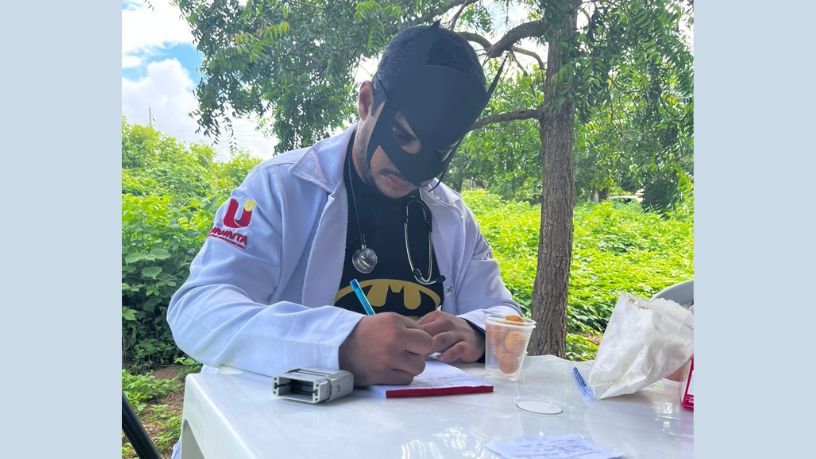
Falls among older adults are one of the leading causes of hospitalization, loss of independence, and mortality in later life. Dr. Yuri Silva Portela, a postgraduate specialist in Geriatrics with extensive expertise in the field and founder of the Humaniza Sertão social project, considers fall prevention one of the central priorities of humanized geriatric care. In his view, anticipating risks is the most effective and respectful way to protect an elderly person’s independence.
Throughout this article, you will understand why falls are so dangerous for older adults, which factors increase the risk, and how a multidisciplinary approach can effectively protect seniors. Be sure to read until the end.
Why Are Falls So Dangerous for Older Adults?
The combination of more fragile bones due to osteoporosis, reduced recovery capacity, and a higher risk of surgical complications makes fractures in older adults highly impactful events for both health and quality of life. Hip fractures, in particular, are associated with high rates of serious complications and permanent loss of independence.
According to Dr. Yuri Silva Portela, the problem goes beyond the immediate physical injury. After a fall, many seniors develop what is known as the fear of falling, a state of insecurity that leads them to progressively limit their activities in order to avoid new incidents. Although understandable, this restriction accelerates physical deconditioning, social isolation, and functional decline, creating a vicious cycle that further compromises the patient’s health.
What Are the Main Risk Factors for Falls in Older Adults?
Risk factors for falls among seniors are numerous and interact in complex ways. Some originate within the patient’s own body, while others are related to the environment in which they live. Identifying and addressing all of these factors in a coordinated manner is what makes fall prevention truly effective.
Yuri Silva Portela explains that some of the most significant intrinsic factors include muscle weakness, impaired balance and gait, reduced visual acuity, the use of multiple medications that may cause dizziness or postural hypotension, and conditions such as diabetes, osteoarthritis, and neurological diseases that affect coordination and sensation in the lower limbs. Therefore, a comprehensive geriatric assessment performed by a specialist is essential to identify these factors and intervene appropriately.
How Does Physical Therapy Help Prevent Falls?
Physical therapy is one of the most important pillars of fall prevention in older adults. Through specific exercise programs, physical therapists work on muscle strengthening, balance, motor coordination, and flexibility, directly addressing the physical factors that increase fall risk. Yuri Silva Portela notes that the benefits of this work go beyond prevention: they improve the senior’s functional capacity, increase confidence in their own body, and encourage participation in physical and social activities.

Within the Humaniza Sertão project, volunteer physical therapists conduct fall-risk assessments during community outreach initiatives in rural backlands regions. These evaluations include simple balance and gait tests that help identify seniors at high risk who require priority intervention. The exercise recommendations provided are adapted to each patient’s reality, taking into account physical limitations, health conditions, and the resources available in their daily lives.
The Role of Medication Review in Fall Prevention
A frequently overlooked risk factor in fall prevention is the inappropriate use of medications. Many seniors take five or more medications simultaneously, and certain drug combinations significantly increase the risk of dizziness, postural hypotension, and reduced reflexes that predispose patients to falls. Periodic medication reviews performed by a specialized geriatrician are highly impactful preventive interventions.
In addition, blood pressure medications, sedatives, antidepressants, and medications for prostate conditions are among those most commonly associated with increased fall risk in older adults. This does not mean they should simply be discontinued, but rather that they must be carefully evaluated regarding the benefits they provide versus the risks they impose on each individual patient. This individualized evaluation is one of the core competencies of geriatric medicine.
Dr. Yuri Silva Portela advises that every family with an elderly relative taking multiple medications should seek a geriatric consultation specifically aimed at reviewing prescriptions. Such consultations may result in simplified medication regimens, dosage adjustments, and replacement of certain drugs with alternatives that carry a lower fall risk.
Preventing Falls Means Preserving Seniors’ Freedom
Preventing falls in older adults means protecting their independence, self-esteem, and ability to actively participate in family and community life. It is one of the most concrete and respectful forms of care that geriatric medicine can offer.
The work of Dr. Yuri Silva Portela, both in his medical practice and through the Humaniza Sertão initiatives, demonstrates that fall prevention is possible in any context when there is specialized knowledge, commitment to care, and a comprehensive view of the patient. Every senior who remains standing, active, and independent is a result that justifies every preventive effort made.
Evaluate the environment where the elderly person you love lives. Review their medications with a specialist. Encourage appropriate physical exercise. These simple actions have the power to prevent serious events and ensure a much safer and more fulfilling later life.
Author: Diego Rodríguez Velázquez