

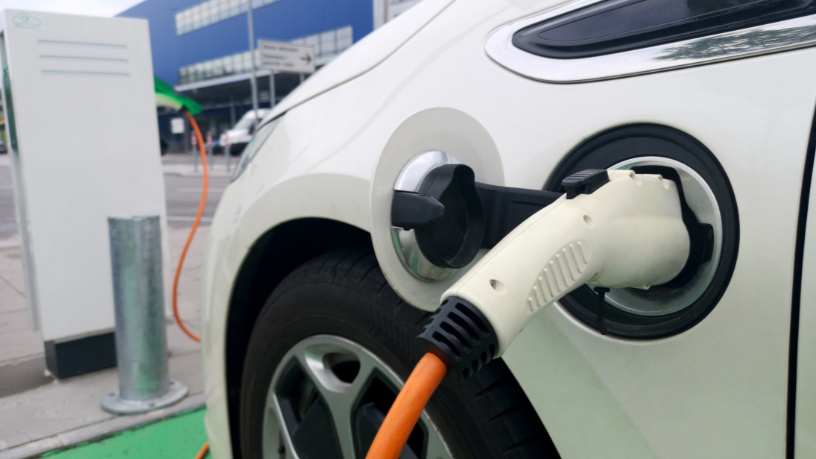
The combination of clean energy and low taxes has turned a small South American nation into a global reference for electric cars per capita. This model demonstrates how consistent public policies, a renewable energy matrix, and well-structured tax incentives can accelerate the transition to sustainable mobility. This article analyzes how this strategy was built, the economic factors behind the growth of electric vehicles, and the practical lessons other countries can draw from this experience.
The rapid expansion of the electric car fleet in this country did not happen by chance. Its foundation lies in a strong reliance on renewable energy sources within the national power grid. With electricity largely generated from clean sources, the shift toward electric mobility becomes structurally coherent. Charging vehicles does not depend on fossil fuels, making the transportation transition aligned with broader environmental goals.
In addition to clean energy, low tax policies play a central role. Reduced or eliminated taxes on electric vehicles significantly narrow the price gap between EVs and traditional combustion-engine cars. When cost differences decrease, consumers begin to see electric cars not only as environmentally responsible choices but also as financially rational investments.
The economic impact of this approach extends beyond vehicle sales. The growing adoption of electric cars stimulates investment in charging infrastructure, technological innovation, and specialized services. This cycle generates jobs, strengthens competitiveness, and enhances the country’s international reputation as a sustainability leader.
Regulatory predictability is another key factor. Stable fiscal and environmental policies provide security for both consumers and investors. When long-term guidelines are clear, automakers and technology firms can plan expansion strategies and develop solutions tailored to the domestic market. This predictability reduces risk and encourages sustained growth.
The country’s leadership in electric cars per capita reflects an integrated strategy. The success does not stem solely from tax reductions or environmental campaigns. Instead, public policy connects clean energy generation, fiscal incentives, and economic planning. This alignment increases policy efficiency and produces measurable outcomes.
The experience also highlights a structural reality. The transition to electric mobility depends on a supportive energy framework. Nations whose power generation remains heavily dependent on fossil fuels face additional challenges. Electrifying transportation only produces significant environmental benefits when the electricity supply itself is renewable. In this regard, the South American leader demonstrates consistency between sustainability goals and implementation.
From a consumer perspective, financial appeal is decisive. Lower operating costs, reduced maintenance requirements, and favorable tax treatment make electric vehicles economically attractive. Purchasing decisions become less about ideology and more about practical cost-benefit analysis.
Lower taxes also send a clear political signal. When governments reduce the tax burden on electric vehicles, they indicate a strategic commitment to clean technology. This signal influences corporate behavior, encourages private investment, and accelerates market transformation.
In the broader global context, the race toward electrification continues to intensify. Major economies compete for technological leadership while attempting to reduce carbon emissions. However, not all countries succeed in aligning fiscal policy, infrastructure development, and clean energy production. The South American example stands out because it integrates these elements effectively.
Widespread adoption of electric vehicles also produces urban benefits. Reduced air pollution, lower noise levels, and modernization of transportation systems contribute to improved quality of life. These tangible improvements strengthen public support for sustainable mobility initiatives.
Economically, this strategy can attract foreign investment. Companies focused on clean technology seek environments where innovation is supported and market demand is growing. A stable regulatory framework combined with high EV adoption creates an appealing landscape for expansion and development.
The case demonstrates that leadership in electric mobility does not depend solely on economic size. Smaller nations can achieve global prominence when they implement coherent, long-term strategies. The combination of clean energy and low taxes establishes a solid foundation for structural transformation.
Other countries observing this model can identify practical lessons. Isolated tax incentives tend to produce limited results if they are not accompanied by renewable energy development and consistent planning. Alignment between environmental policy and economic strategy emerges as a decisive factor.
The rise in electric cars per capita within this South American nation confirms that the energy transition is achievable when institutional alignment exists. Sustainable mobility moves beyond ambition and becomes a measurable reality supported by clear economic logic.
This trajectory reinforces a broader conclusion. Well-designed public policies have the power to reshape entire markets. Clean energy and low taxes are not merely environmental or fiscal tools but strategic components of a development model capable of positioning a country at the forefront of the global green economy.
Autor: Diego Velázquez