
A year after some of the most destructive wildfires in Southern California’s recent history tore through neighborhoods in Altadena, Pacific Palisades and surrounding communities, residents marked the anniversary with a mix of solemn commemoration and anger. The deadly blazes in January 2025 left behind scorched landscapes, destroyed homes and lasting scars on the region’s sense of security. What was once a moment of crisis has evolved into a prolonged battle over recovery, accountability and justice, as families and local organizations continue to process the losses and push for meaningful change.
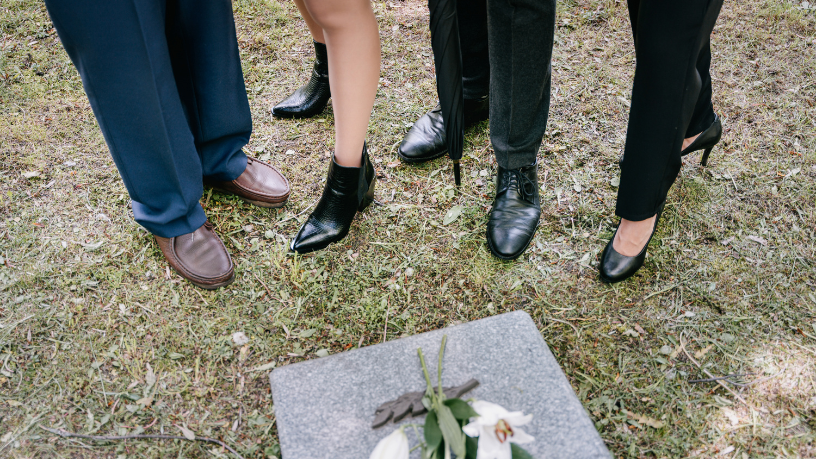
Commemorative events across the region brought together survivors, first responders and community leaders to honor those who died and to recognize the resilience of those who endured the flames and their aftermath. In some areas, gatherings took on a somber tone as people shared memories of loved ones lost and reflected on the profound disruption to daily life. The anniversary served as a stark reminder that while immediate firefighting efforts may have ceased, the emotional and physical fallout of the wildfires lives on in the hearts and minds of those affected.
For many residents, the commemoration also doubled as a protest against what they view as shortcomings in disaster preparation and response. Individuals who lost homes or saw neighbors’ properties consumed by fire voiced frustration over perceived gaps in emergency planning, communication and infrastructure support. Some community members demanded clearer accountability from local and state agencies, asserting that more could have been done to prevent the scale of destruction and mitigate harm. These expressions of anger underscored a broader conversation about responsibility and the need for stronger safeguards.
The process of rebuilding has been slow and uneven, with some neighborhoods showing signs of recovery while others remain marked by empty lots and the charred remains of former homes. Homeowners who have managed to rebuild told stories of perseverance and determination, often pointing to community solidarity and mutual aid as key factors in their progress. Yet for many others, financial constraints, bureaucratic hurdles and insurance issues have delayed reconstruction indefinitely, leaving families in limbo.
In addition to property loss, health and environmental concerns continue to trouble residents who returned to areas affected by the wildfires. Hidden hazards such as lingering toxic ash, compromised air quality and unstable soil have added another layer of complexity to the recovery process, prompting calls for more comprehensive environmental remediation and health support services. These concerns reflect an ongoing struggle to restore not just structures but safe living conditions for all who were displaced.
Small businesses that once served as social hubs in these communities have also felt the impact of the wildfires, with some owners recounting months of disrupted operations and financial hardship. A few establishments have reopened, serving as symbols of resilience and continuity. These local efforts have drawn praise from patrons and observers alike, celebrating not only economic revival but also the cultural and social cohesion that helps communities heal after trauma.
Despite the lingering challenges, many residents emphasized a sense of unity and collective resolve as they marked the anniversary. Shared experiences of loss and recovery have forged new connections among neighbors, inspiring grassroots initiatives aimed at strengthening preparedness for future disasters. In conversations about resilience, there is a consistent theme of learning from the past while pushing for better systems that can protect communities more effectively in years to come.
As Southern California reflects on the first anniversary of these devastating wildfires, the stories of survival, frustration and rebuilding paint a complex portrait of a region still coming to terms with its recent history. The legacy of the fires extends beyond charred landscapes to the very fabric of community life, highlighting both the vulnerabilities exposed by natural disasters and the enduring strength of people determined to rebuild what was lost.
Autor: Howdy, Eura Tymal