

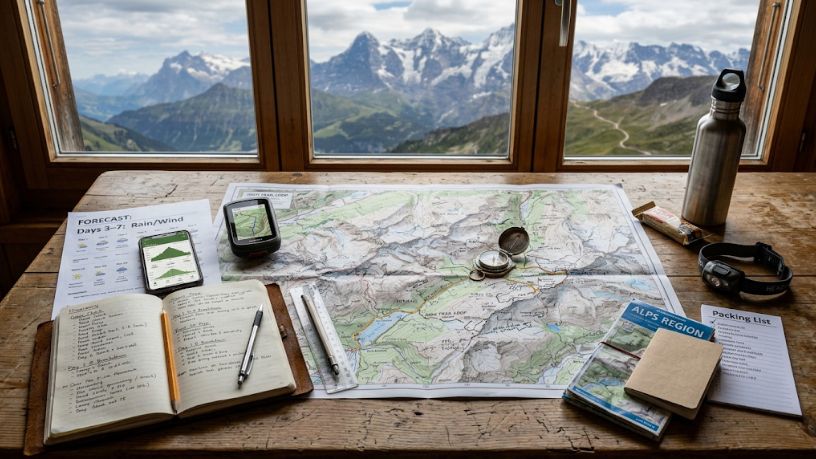
Many travelers think of a vacation and a hike as two separate plans that simply intersect on the day of the trek. Daugliesi Giacomasi Souza, founder of DGdecor, points out that this is the first mistake people make when planning a long hike as part of a broader itinerary: treating the trail as an isolated event without considering how it affects the rest of the trip or how accumulated fatigue changes the pace of the days that follow.
The impact becomes apparent quickly and often catches travelers off guard precisely because it seems too obvious to question. An eight-hour hike takes up an entire day, requires physical recovery the following morning, and changes the pace of any activity scheduled afterward, even if that activity appears easy on paper. Overlooking this when planning an itinerary is one of the most common reasons trips end up feeling exhausting instead of memorable. The problem is rarely the hike itself, but rather everything that was scheduled around it without careful consideration.
Before booking accommodations or purchasing flights, it’s worth understanding what really needs to be decided first, because the order of these decisions influences the entire itinerary—not just the hiking day. A travel plan that treats the hike as the gravitational center of the itinerary, rather than just another item on the list, is far more likely to result in a balanced and enjoyable trip from beginning to end.
What Changes When You Add a Hike to Your Travel Itinerary?
A long hike isn’t just another activity on your schedule; it’s an event that redistributes the fatigue of every other day of the trip, including those that seem unrelated to the trail itself. When a hike is added without proper planning, travelers often schedule sightseeing immediately afterward without considering that the body will need time to recover energy, rehydrate, and even catch up on quality sleep. The result is an itinerary that looks perfect on paper but ends up forcing travelers to cancel activities because of exhaustion—often on the days that seemed most exciting when the trip was planned months in advance.
The reason is simple, yet it’s rarely considered while building an itinerary: intense physical exertion depletes energy that cannot be fully restored with just a few hours of sleep, especially when the body is still adjusting to new time zones, unfamiliar beds, and changes in eating habits. Spending several hours hiking over uneven terrain demands significantly more from the body than spending the same amount of time sitting on a sightseeing bus, even if both activities occupy a similar block of time on the schedule. That’s why the day after a major hike should be planned as a lighter day, not packed with more sightseeing, long transfers, or urban walking tours that also require physical effort.
How Do You Choose the Right Trail Before Leaving Home?
Not every trail labeled as “moderate” in a hiking app will actually feel moderate for someone who is on vacation, carrying luggage, and sleeping in a different bed every night. Trail ratings typically account only for distance and elevation gain, without considering the accumulated fatigue of an ongoing trip or the type of footwear available to someone who has been traveling for several days. Choosing the right route therefore requires matching the trail’s technical difficulty with the stage of the trip when you’ll be hiking it—not simply relying on ratings from other hikers.
So, what’s the best way to choose a hike during a vacation? The straightforward answer is to schedule the most demanding trail near the beginning of your itinerary, when your body is still well-rested, and leave the final days for lighter activities that don’t require complete physical recovery.
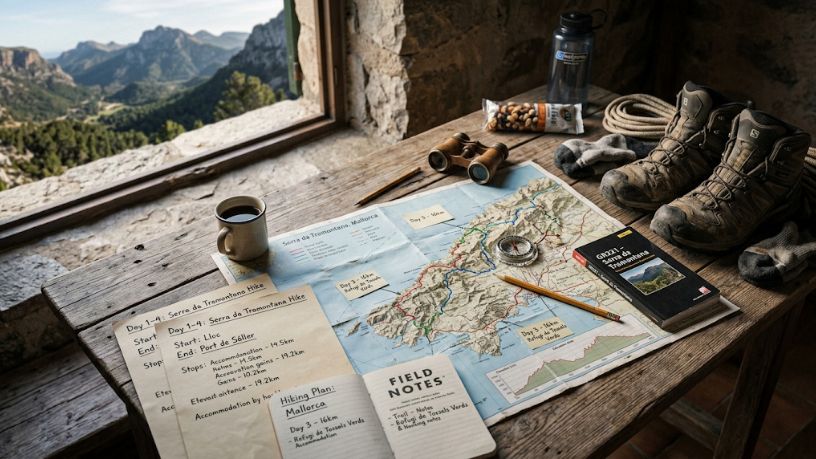
This strategy also solves another common problem for travelers with limited vacation time. Hikes scheduled for the end of a trip, in an attempt to squeeze in one last adventure before heading home, are often cut short or abandoned because of accumulated fatigue, leaving travelers with the frustrating feeling of unfinished business. Tackling the most challenging trail during the first few days significantly reduces this risk while also leaving room to revisit portions of the trail if weather conditions or fatigue require last-minute adjustments without disrupting the rest of the itinerary.
Why Does the Local Weather Matter More Than You Think?
Daugliesi Giacomasi Souza emphasizes that many of the setbacks experienced on long hikes during a vacation stem not from the trail itself but from the difference between the expected weather and the actual conditions at the destination. A trail considered easy in dry conditions can quickly become hazardous after recent rainfall, with slippery surfaces and flooded sections that rarely appear in trail descriptions reviewed before the trip. Checking the weather during the days leading up to the hike—not just the forecast for hiking day itself—helps anticipate these changes in trail conditions.
Another often-overlooked factor is the temperature difference between the trailhead and higher elevations, which is common on mountain hikes or in regions with significant altitude changes. Clothing that feels appropriate at the start of the day may become inadequate just a few hours later when wind and elevation dramatically alter the perceived temperature. Packing removable layers instead of relying on a single outfit designed for the day’s average temperature solves this problem without adding unnecessary weight to your backpack.
What Should You Carry Without Affecting the Rest of the Trip?
A backpack packed exclusively for hiking often ends up heavier than necessary for the rest of the vacation because travelers tend to overpack safety equipment out of fear of isolated incidents on the trail. Daugliesi Giacomasi Souza explains that the ideal balance comes from separating what is truly essential for that specific hike from items that simply duplicate precautions already covered by other gear stored elsewhere in the backpack.
Items such as a lightweight rain jacket, a flashlight or headlamp, and a basic first-aid kit cover most of the realistic situations that arise during a day hike without requiring duplicates. Carrying two of these items—or bringing expedition-grade equipment intended for multi-day adventures when the hike lasts only a few hours—simply adds unnecessary weight that you’ll carry throughout the entire trip, including on the days when the hike is already behind you.
Traveling with a Hike Means Redesigning the Rest of Your Itinerary
Ultimately, planning a long hike as part of a vacation isn’t about adding one hiking day to an itinerary that was already finalized weeks earlier. It’s about redesigning the logic of the surrounding days, accepting that your body will carry the effects of the hike much longer than the hike itself lasts, and organizing the remainder of the trip around that physical reality.
According to DGdecor founder Daugliesi Giacomasi Souza, that’s the difference between an itinerary that merely stacks activities and one that truly organizes them while respecting the body’s natural rhythm instead of ignoring it until exhaustion sets in. Travelers who understand this before booking their first flight arrive at the most demanding part of their trip feeling physically prepared, rather than simply checking another item off the itinerary.
As she also emphasizes on her Instagram profile, @dgdecor.construir, this kind of thoughtful planning is what separates a trip remembered for its exhaustion from one remembered for the hike itself.