

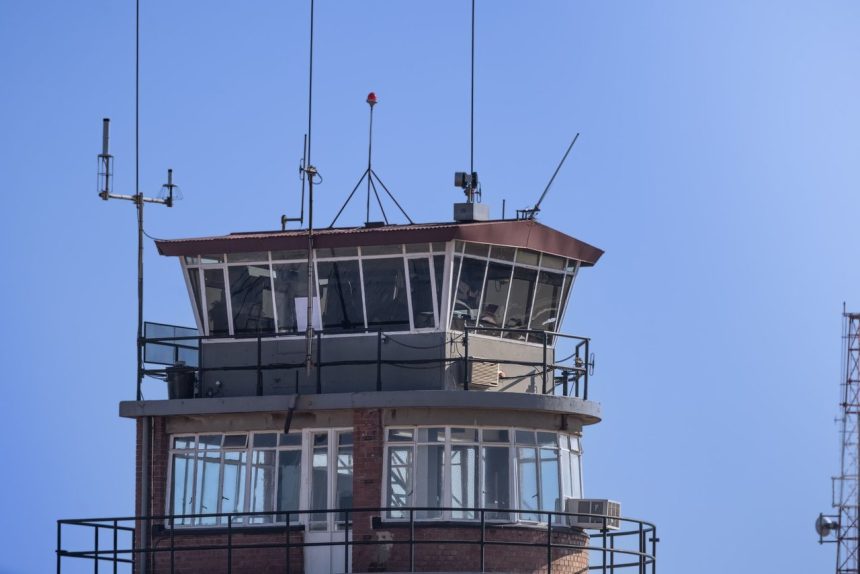
The Trump administration is asking Congress to approve approximately $50 billion to modernize the United States air traffic control system after a disruption exposed vulnerabilities in the infrastructure used to manage flights across the country. The request places aviation technology, communications equipment and federal transportation infrastructure at the center of a broader debate over government spending and system reliability.
According to The Associated Press, the proposal was disclosed on November 17, 2026, following an episode that affected air travel shortly before the Thanksgiving holiday. The administration has presented the investment as an effort to replace aging systems and strengthen the technological foundation of the national aviation network.
A technical failure exposed wider vulnerabilities
Transportation Secretary Sean Duffy attributed the disruption to outdated technology and said that a new router installed by L3Harris in Arkansas caused intermittent communications and radar problems. The issue reportedly affected 17 of the country’s 22 regional air traffic control centers, demonstrating how a problem at one location can spread across a highly interconnected system.
Air traffic control infrastructure coordinates commercial flights, cargo operations, business travel and emergency transportation across the United States. Because regional centers are linked through communications and radar systems, a technical problem can produce consequences well beyond the state where the equipment is installed. The Arkansas episode therefore became part of a national discussion about the resilience of essential transportation systems.
The administration’s request connects the immediate disruption to a longer-standing concern: parts of the country’s aviation infrastructure rely on technology that officials consider outdated. Modernization would involve the systems that support communications, radar and the exchange of operational information among control centers, although the available announcement does not provide a detailed breakdown of how the proposed funds would be allocated.
Congress faces questions over cost and oversight
The proposal is expected to receive close scrutiny from lawmakers. The Associated Press reported that members of Congress were skeptical as administration officials sought the funding, with questions likely to focus on the cost of the program, the procurement process and the role of private contractors in maintaining essential federal infrastructure.
The debate also raises questions about responsibility. Modernizing a national system requires decisions about how equipment is selected, tested and integrated into existing networks. Lawmakers may examine whether the disruption was primarily the result of a single equipment failure or whether it revealed weaknesses that accumulated over years of delayed upgrades.
The request comes as the federal government has been emphasizing the security and resilience of critical infrastructure. In a November 10, 2026, message from the White House, the administration highlighted the importance of protecting and modernizing aging infrastructure and communications systems that support national activity.
Why the proposal matters to travelers and the economy
The air traffic control system is essential to the operation of the American aviation market, one of the largest and most geographically extensive transportation networks in the world. Disruptions can affect airport schedules, airline operations and the movement of cargo between different regions, even when the original technical problem begins far from the airports experiencing delays.
For Brazilian travelers, the issue has a direct practical dimension. Airports in the United States serve as important connections for tourists, students, workers and companies traveling between the two countries. The reliability of American control centers can influence connections, airport congestion and the broader cost and predictability of air travel between Brazil and the United States.
The investment could also create demand for companies working in telecommunications, radar, networking, cybersecurity and aviation technology. That makes the proposal relevant not only to transportation policy but also to the technology sector and to businesses that depend on reliable movement of passengers and goods across the country.
Congress will now weigh the administration’s request against concerns about spending, procurement and oversight. The central issue is whether the proposed modernization can address the immediate weaknesses exposed by the disruption while creating a more reliable foundation for air travel across the United States.