

The United States used its G20 presidency to place energy supply, infrastructure and critical minerals at the center of an international ministerial meeting held in Houston, Texas, from September 14 to 16, 2026. Brazil was among the countries represented at the gathering, adding a direct dimension to discussions relevant to energy markets, industrial policy and U.S.-Brazil relations.
The meeting, known as the G20 Energy Abundance Ministerial, brought together energy ministers and representatives from G20 members to discuss ways to expand access to energy, accelerate infrastructure development and strengthen supply chains. According to the White House, the event concluded with four consensus outcomes.
What the G20 energy meeting decided
The first outcome focused on expanding household energy access. The discussions linked reliable and affordable energy with economic development and the ability of households and businesses to participate in modern economies. The other outcomes addressed regulatory procedures, water management and the security of critical-mineral supplies.
Ministers supported efforts to improve permitting and regulatory processes for energy and infrastructure projects. The objective was to reduce delays and increase the pace at which projects can be approved and built. The agenda connected permitting efficiency with investment, manufacturing capacity and the expansion of energy systems.
A separate initiative promoted the reuse of water for energy, agriculture and industry. The proposal recognizes that water availability can affect industrial activity and energy production, particularly in areas facing pressure on local resources. The G20 Water Reuse Initiative presents cooperation on water resilience and reuse as part of a broader strategy for infrastructure and economic development.
Why critical minerals matter to the U.S. economy
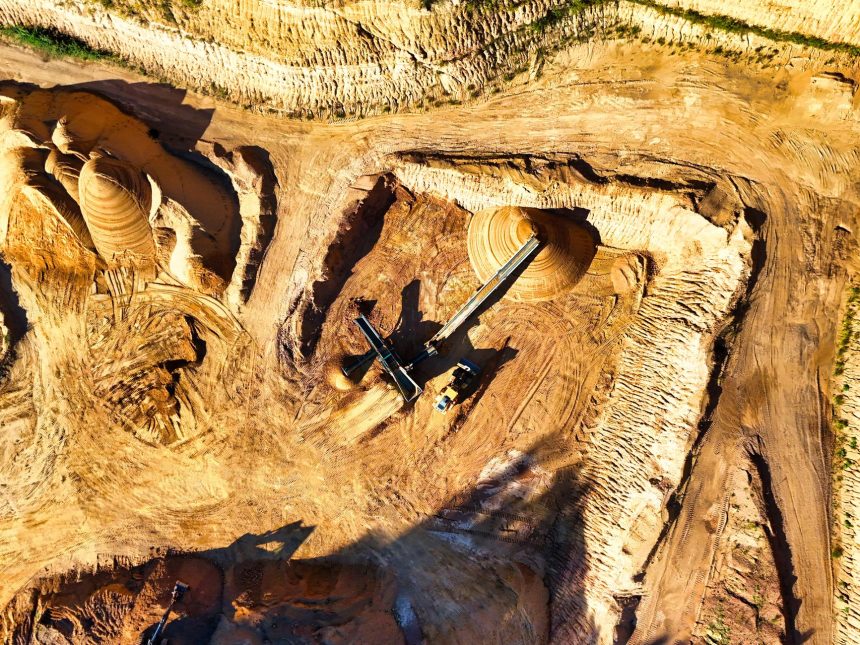
Critical minerals were another central issue in Houston because they are important inputs for energy systems, advanced manufacturing and digital infrastructure. Concentrated sources of supply can expose industries to disruptions, making diversification a strategic concern for governments and companies.
The G20 critical-minerals statement encourages voluntary cooperation to build more resilient and diversified supply chains. It does not establish a single binding policy for all participating countries. Instead, it provides a framework for cooperation around supply security, industrial capacity and the movement of strategic resources.
The distinction matters for understanding the result of the meeting. The consensus outcomes represent political commitments and cooperation frameworks rather than a treaty or a mandatory multilateral energy policy. Their implementation will depend on national decisions, future coordination and the ability of participating countries to translate broad principles into projects and policies.
Brazil’s presence in the Houston discussions
Brazil’s participation gives the meeting particular relevance for the relationship between Washington and Brasília. The two countries are significant actors in the Western Hemisphere’s energy landscape, and their interests overlap in areas such as infrastructure, industrial supply chains, energy access and strategic materials.
The available information does not indicate that the Houston meeting produced a separate bilateral agreement between the United States and Brazil. Brazil’s presence is nevertheless important because the G20 provides a forum for countries with different energy systems and economic priorities to discuss common challenges. For Brazilian observers, the agenda also highlights how U.S. energy policy is increasingly connected to manufacturing and supply-chain resilience.
What the agreements mean for energy and infrastructure
The Houston meeting also featured announcements involving power-grid manufacturing, liquefied natural gas infrastructure and oil development in Venezuela. These announcements were specific U.S. policy or commercial developments associated with the event and should be distinguished from the four broader consensus outcomes reached by the participating countries.
The approach reflects a U.S. energy agenda centered on increasing supply, expanding infrastructure and reducing vulnerabilities in strategic industries. Faster permitting could support new projects, while investment in grid manufacturing and energy facilities could address the physical systems needed to move and use electricity and fuels.
For the United States, the G20 meeting offered an opportunity to frame energy security as both an economic and geopolitical issue. For the broader group, it created a platform for voluntary cooperation on access, water resilience and critical minerals. The practical impact will depend on how governments follow up on the Houston commitments and whether cooperation leads to more diversified supply chains and faster infrastructure development.
The U.S. Environmental Protection Agency described the meeting as part of an effort to reinforce U.S. leadership on the global stage. The outcome positions energy policy not only as a question of fuel supply, but also as a broader discussion about water, permitting, industrial production and the materials required by the modern economy.